Formula 1 Crypto.com Miami Grand Prix
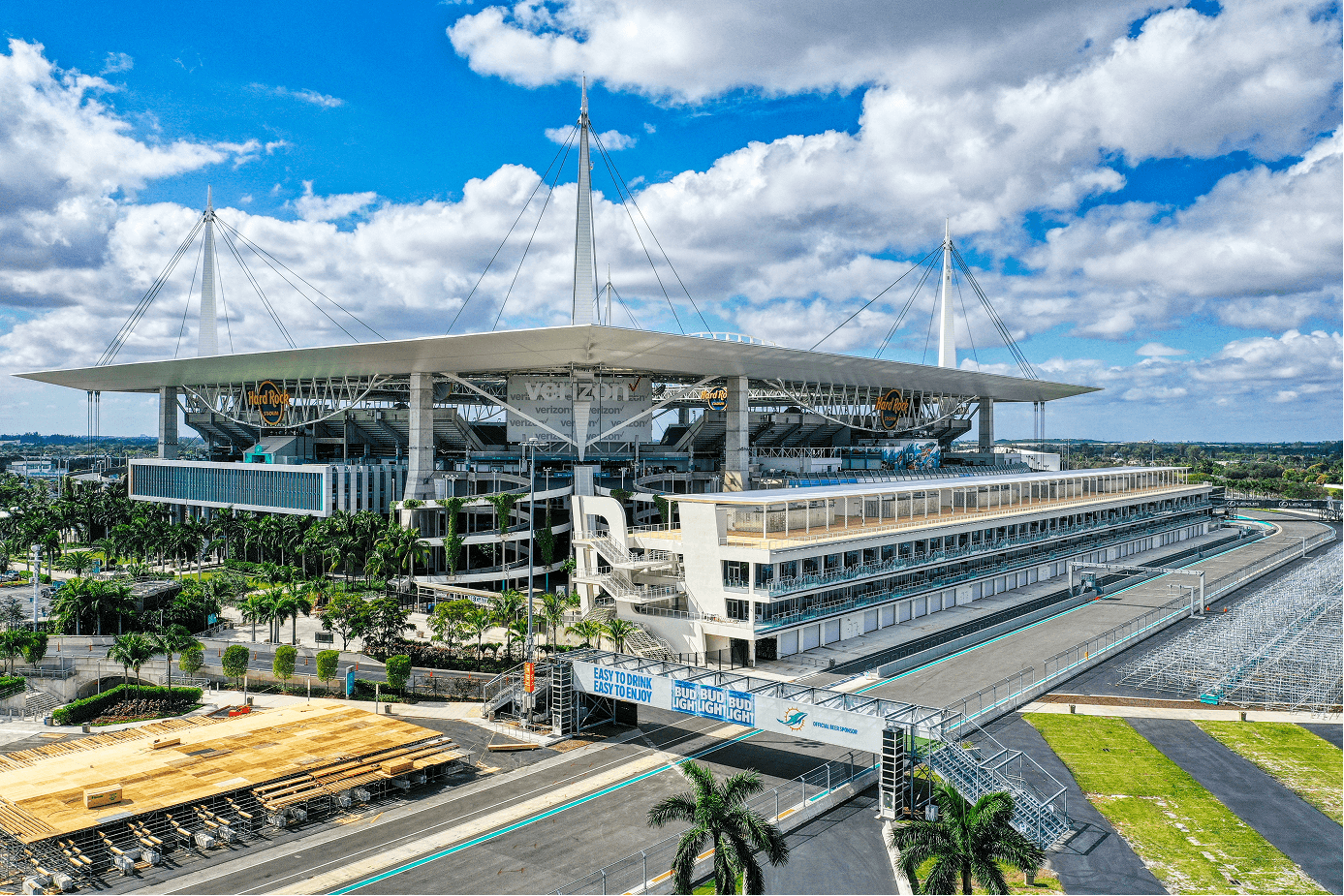
A 5.41 km stadium circuit: 19 corners, 3 straights, built around Hard Rock Stadium.
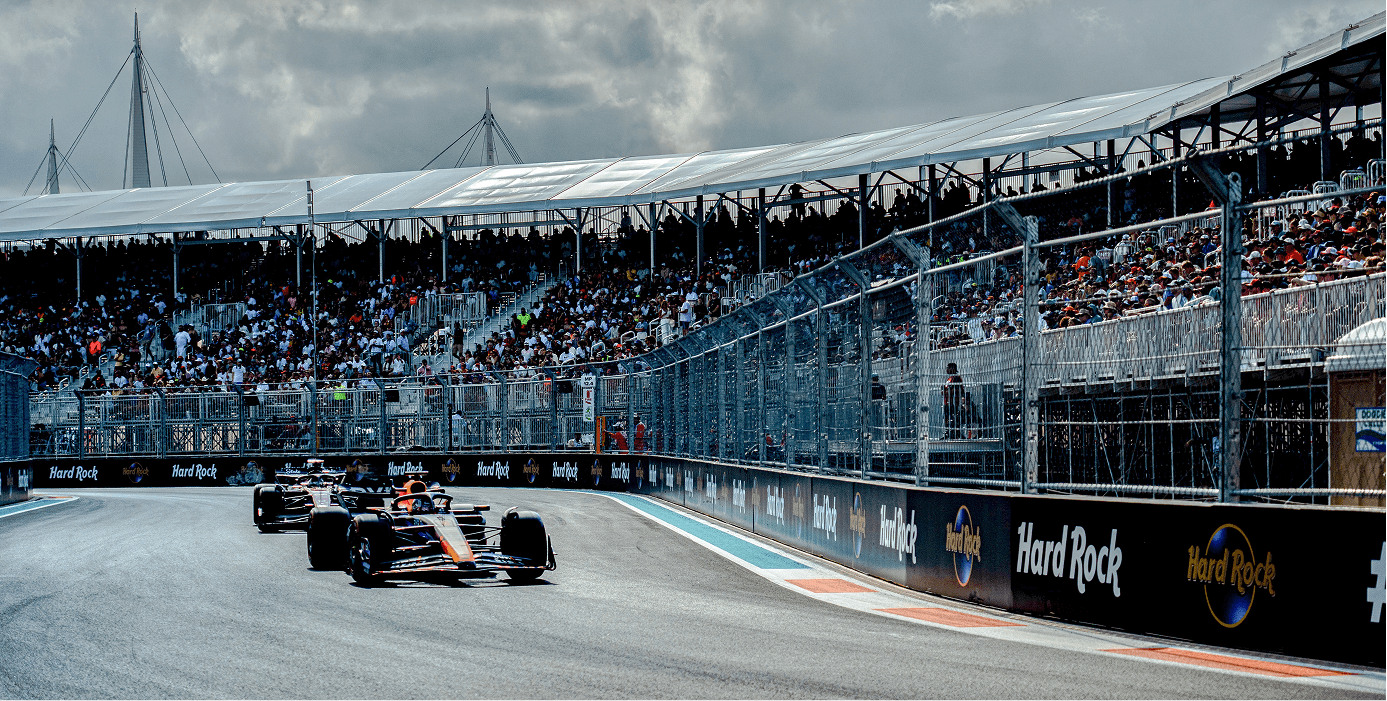
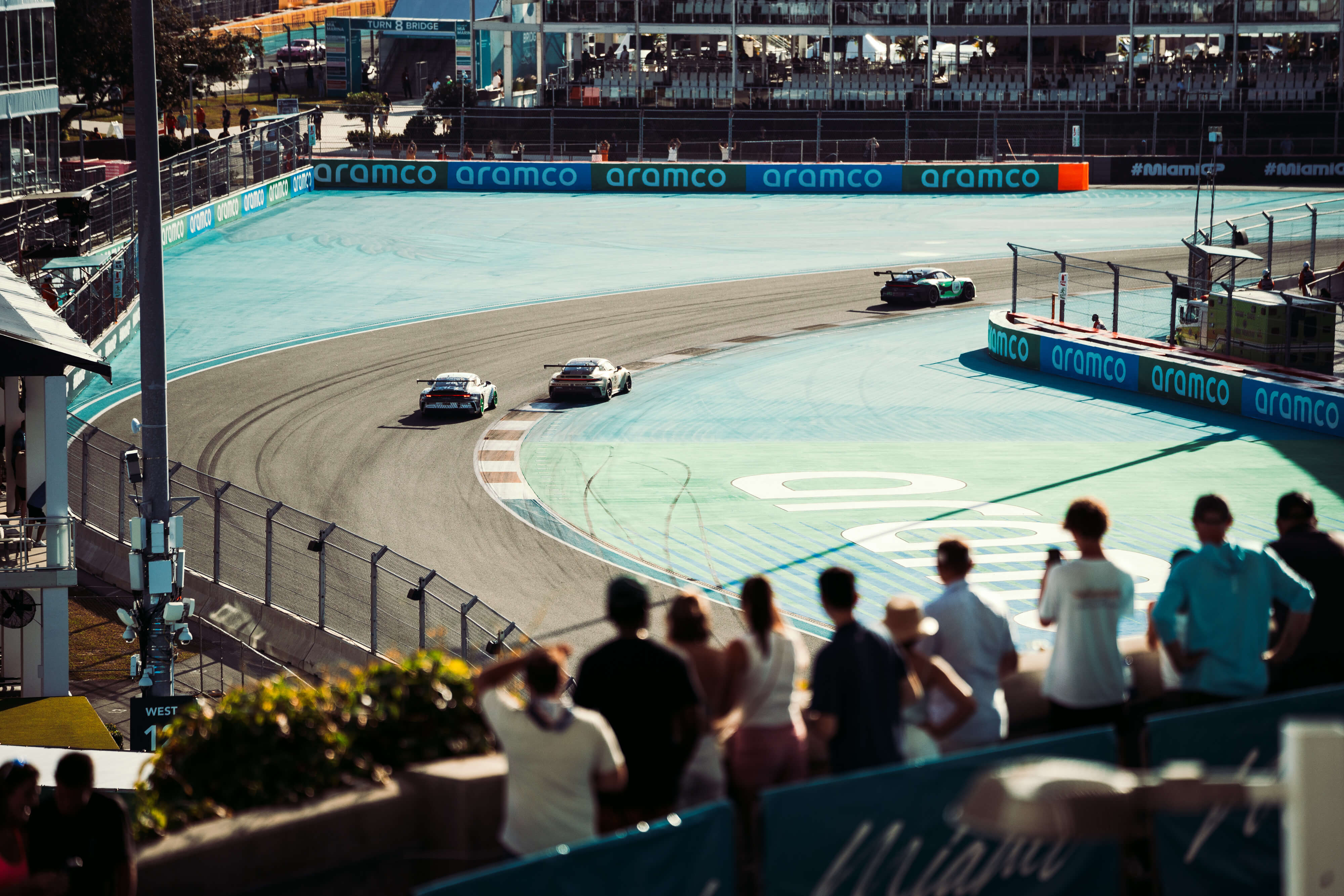
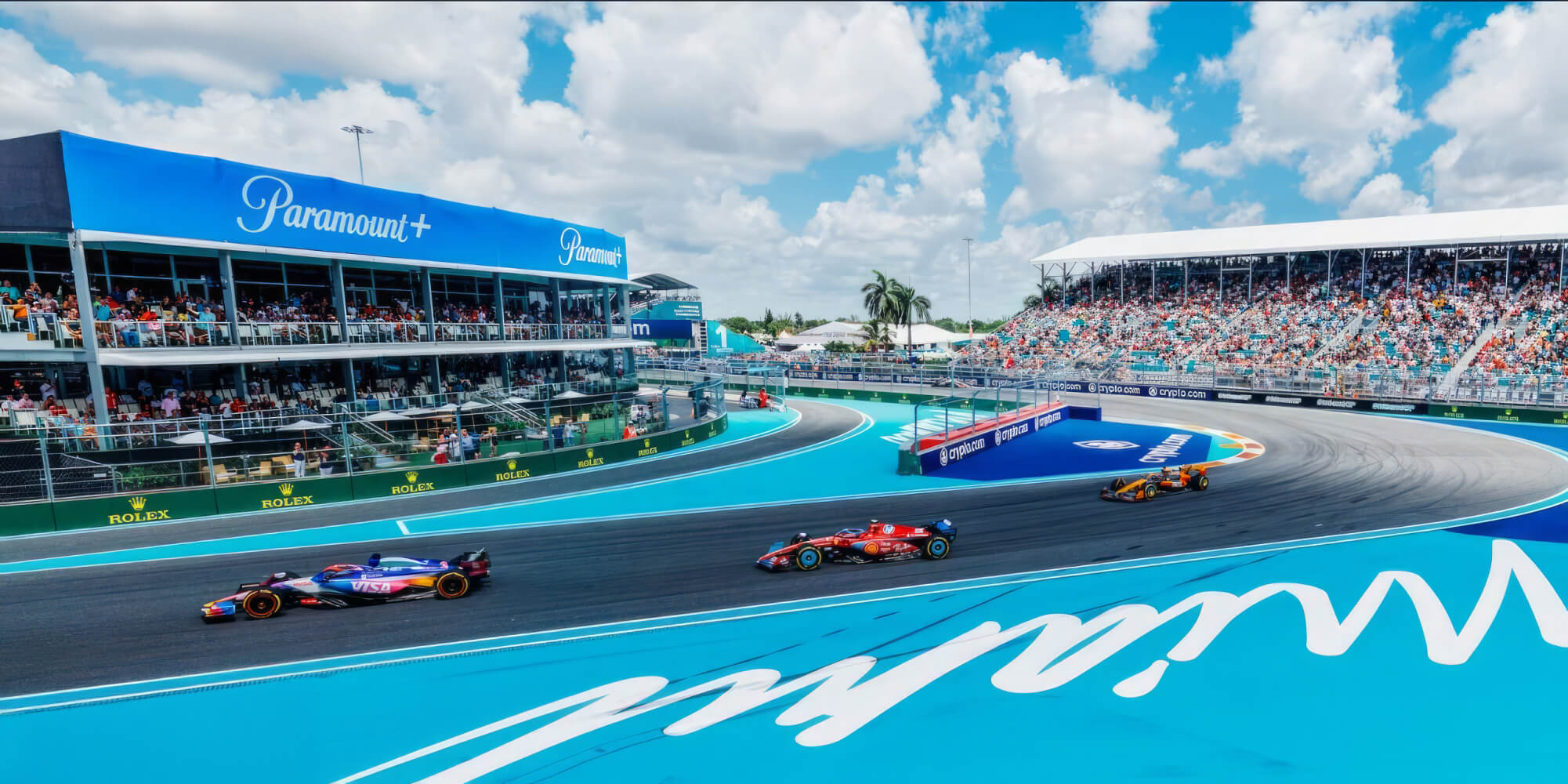
The Miami International Autodrome, a temporary circuit, uses a mix of existing roads and purpose-built stretches on the grounds of the Hard Rock Stadium complex. This minimizes the impact on public roads and allows race officials to design a uniquely challenging course. With high-speed straights, tight corners, and the vibrancy of the city as a backdrop, the FORMULA 1 CRYPTO.COM MIAMI GRAND PRIX is a feast for both racing enthusiasts and casual fans alike.
Waller Design led the overlay design and permitting—delivering coordinated site plans and approval-ready documentation to support race-week construction and safe operations.
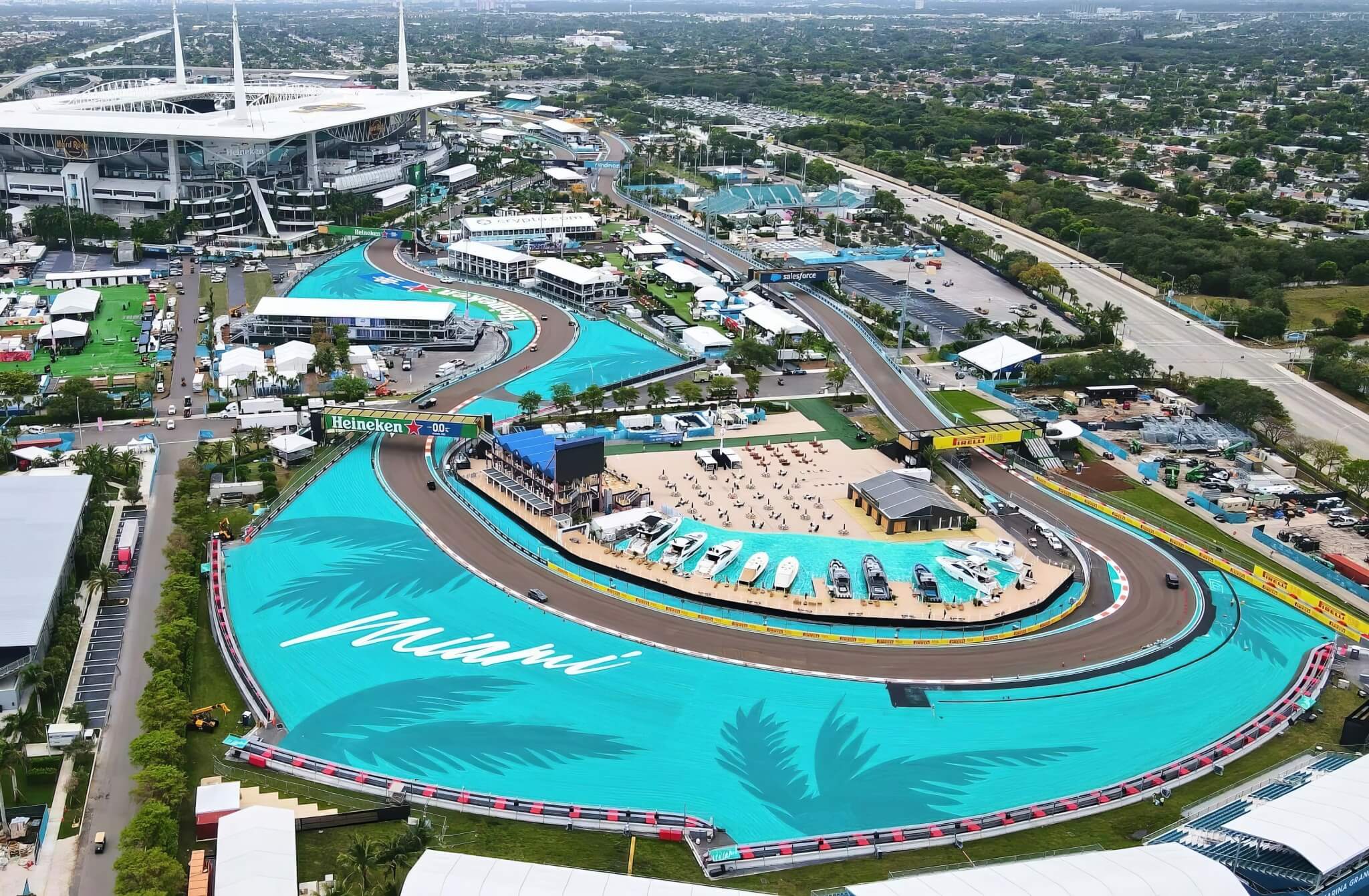
Overlay Design, turning a venue into a circuit through coordinated operations, safety, and scheduling
Permit coordination was a critical driver of schedule certainty and operational readiness for the FORMULA 1 CRYPTO.COM MIAMI GRAND PRIX. Because the Miami International Autodrome is a temporary circuit built within an active stadium complex, approvals had to align multiple jurisdictions, life-safety requirements, and event-day operational needs without slowing the construction. Waller Design managed the permitting pathway by delivering clear, code-aligned documentation, coordinating agency reviews, and resolving comments quickly reducing redesign risk and preventing last-minute field changes. The result was a smoother installation, fewer inspection-related delays, and a race-week site that opened on time with safe, compliant infrastructure supporting guests, teams, and broadcast operations.
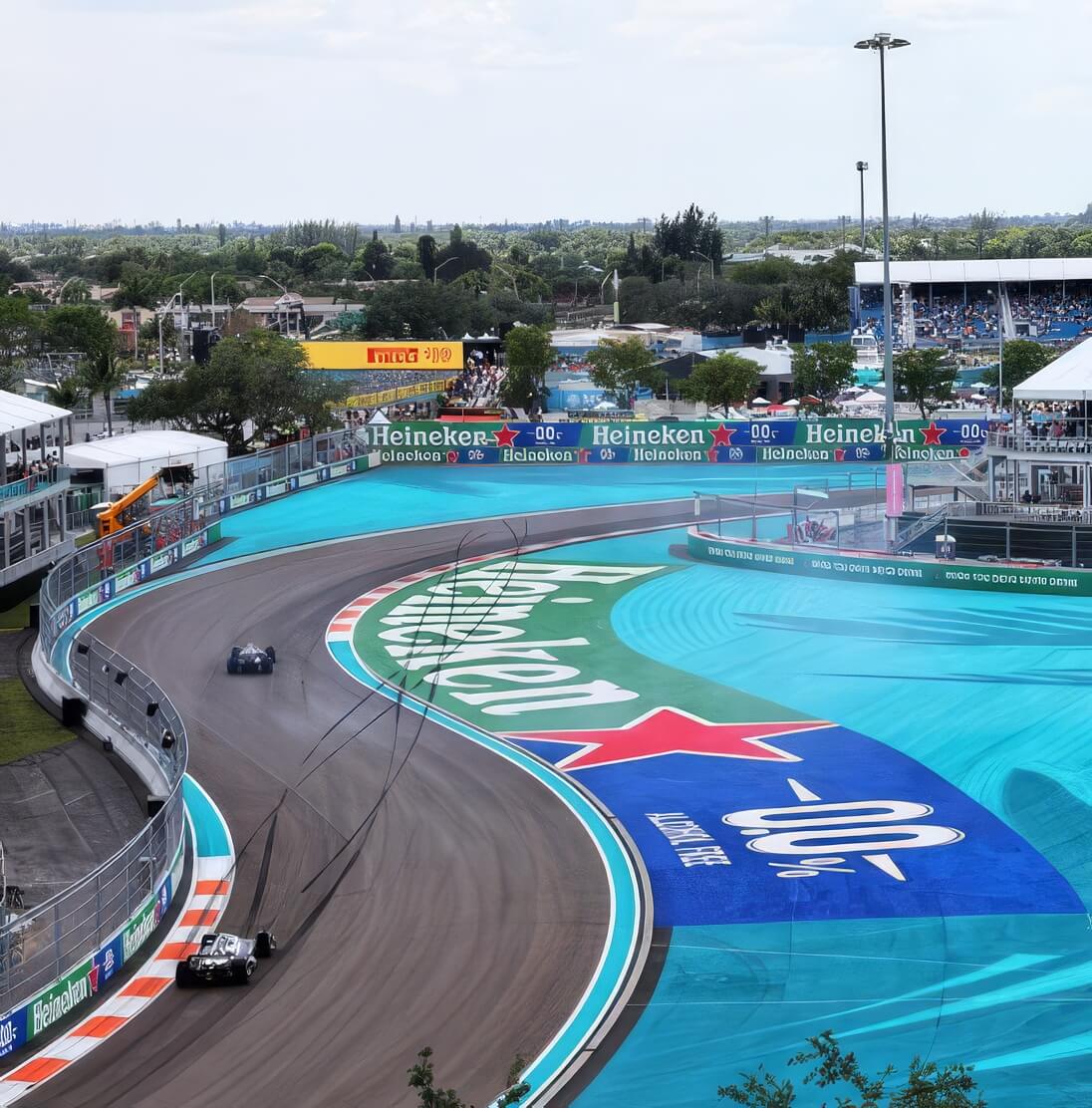
Permit Coordination, approvals managed and code compliance aligned for predictable delivery and a protected schedule
The Overlay design process was a crucial element in turning the Hard Rock Stadium campus into a motorsport haven. By coordinating the placement of temporary structures, operational and fan zones, the overlay created clear movement patterns, protected critical access for teams and production, and supported visibility and sponsor presence throughout the site.
Just as importantly, a build-ready overlay reduced conflicts during construction—helping trades install faster, minimizing rework, and keeping the schedule tight in the days leading up to the race. The result was an environment that felt seamless to fans while functioning with the precision required for broadcast, safety, and high-capacity operations.