
Texas Children's Houston Open
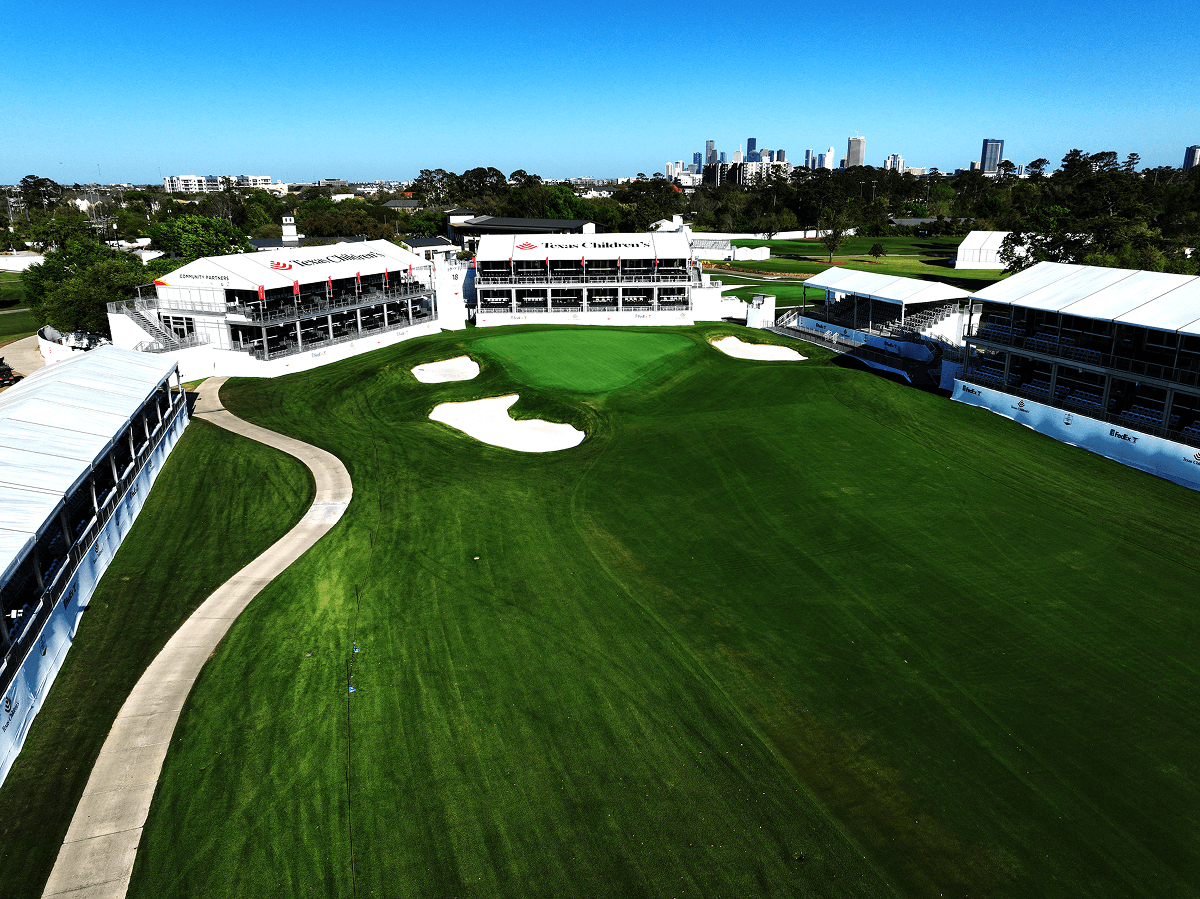
World-class PGA Tour golf with a mission, benefiting Texas Children’s.
The Texas Children’s Houston Open is a golf tournament on the PGA Tour held annually. It is a significant event that attracts top golfers and offers a sizable prize purse. The tournament is well known for its charitable aspect, with proceeds benefiting Texas Children’s Hospital.
Waller Design provided the overlay design for the Texas Children’s Houston Open, developing the temporary site plan that supports tournament operations and the spectator experience. Our work coordinated key elements such as hospitality, viewing areas, operational compounds, circulation routes, and event infrastructure placement to ensure a clear, build-ready layout that functions smoothly from load-in through tournament week.
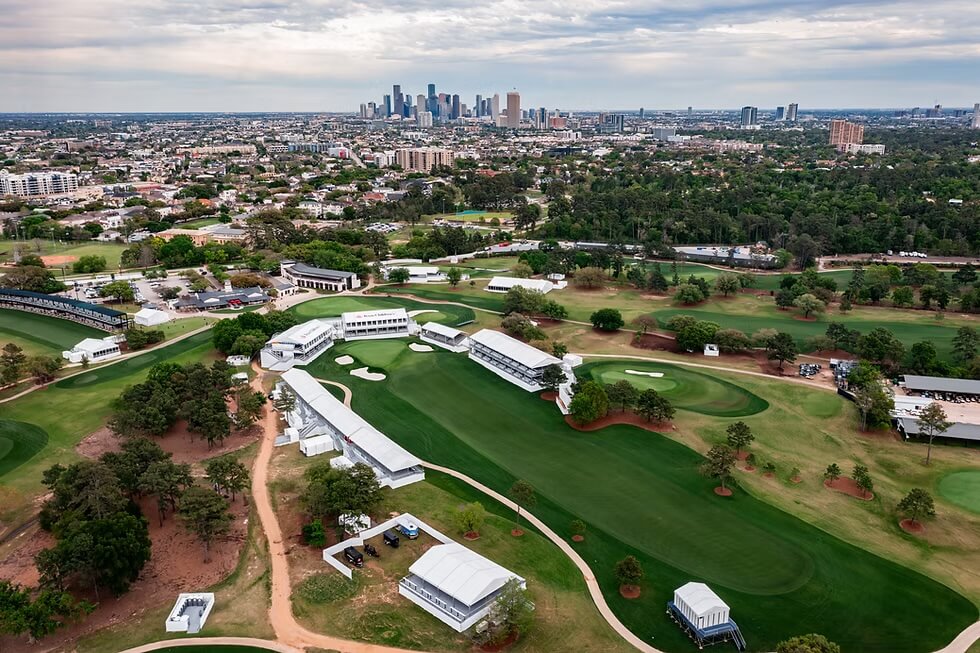
Overlay Design, transforming a course into a PGA Tour venue by aligning operations, circulation, and schedule
Permitting helped protect the Texas Children’s Houston Open schedule by ensuring temporary tournament infrastructure could be installed and operated with clear, approved requirements in place. By coordinating code-compliant documentation and approvals across the relevant authorities, permitting reduced last-minute scope changes, prevented inspection-related delays, and kept critical build milestones predictable. The result was a smoother load-in, fewer on-site disruptions, and a tournament venue that opened on time with safe, compliant conditions for fans, staff, vendors, and broadcast operations.
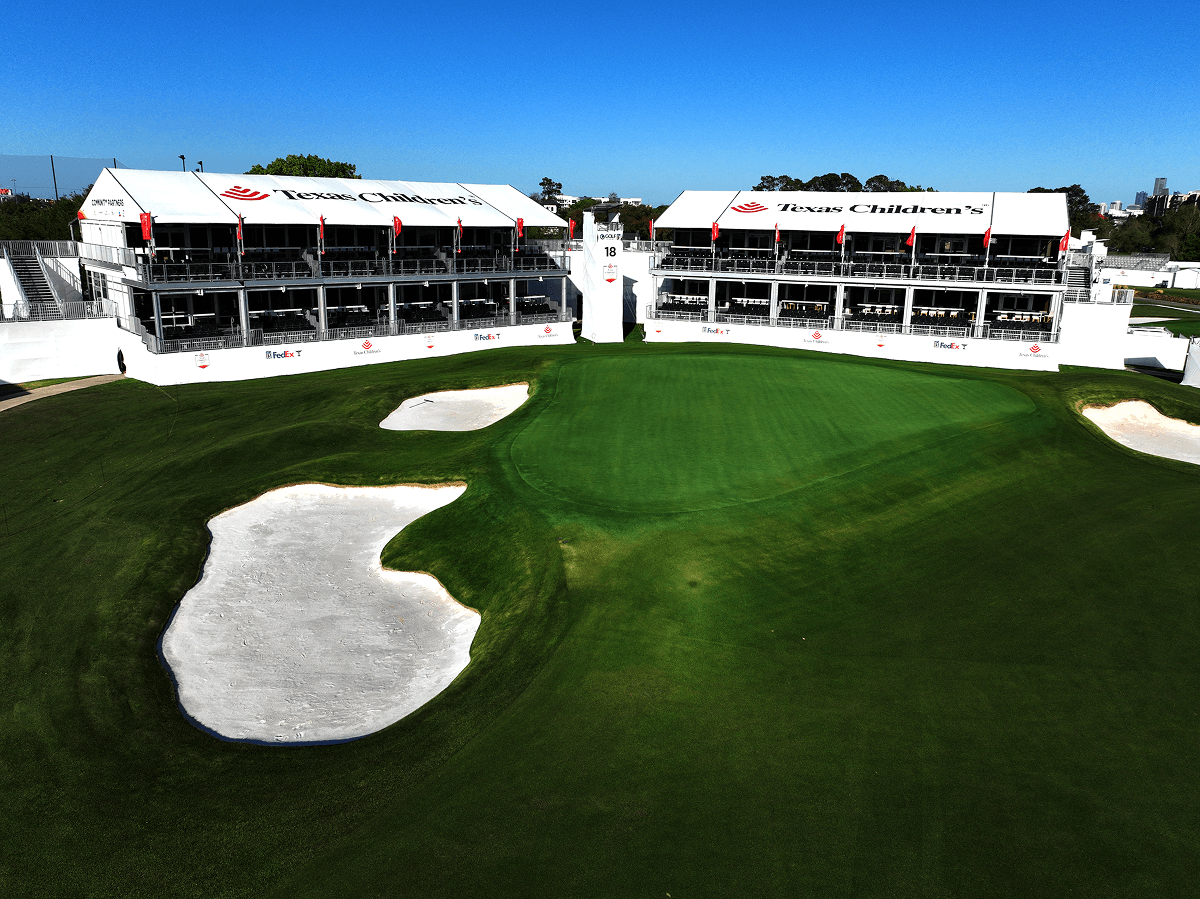
Permit Coordination, approvals managed and code compliance aligned for predictable delivery and a protected tournament schedule
Overlay design helped the Texas Children’s Houston Open run smoothly by turning a golf course into a fully functioning tournament venue with clear circulation, defined spectator areas, and coordinated operational zones. By strategically placing temporary infrastructure such as hospitality, viewing structures, sponsor activations, and back-of-house compounds, the overlay improved sightlines, reduced congestion, and protected critical access for players, staff, and vendors. The result was a site that installed efficiently, operated predictably throughout tournament week, and delivered a better guest experience without disrupting course play.